PD Industrial homepage
Reloskate vs Traditional Racking Relocation: A Cost and Downtime Comparison

Reloskate vs Traditional Racking Relocation: A Cost and Downtime Comparison

Published: 25 June 2025By PD Industrial Team

Why relocation decisions matter

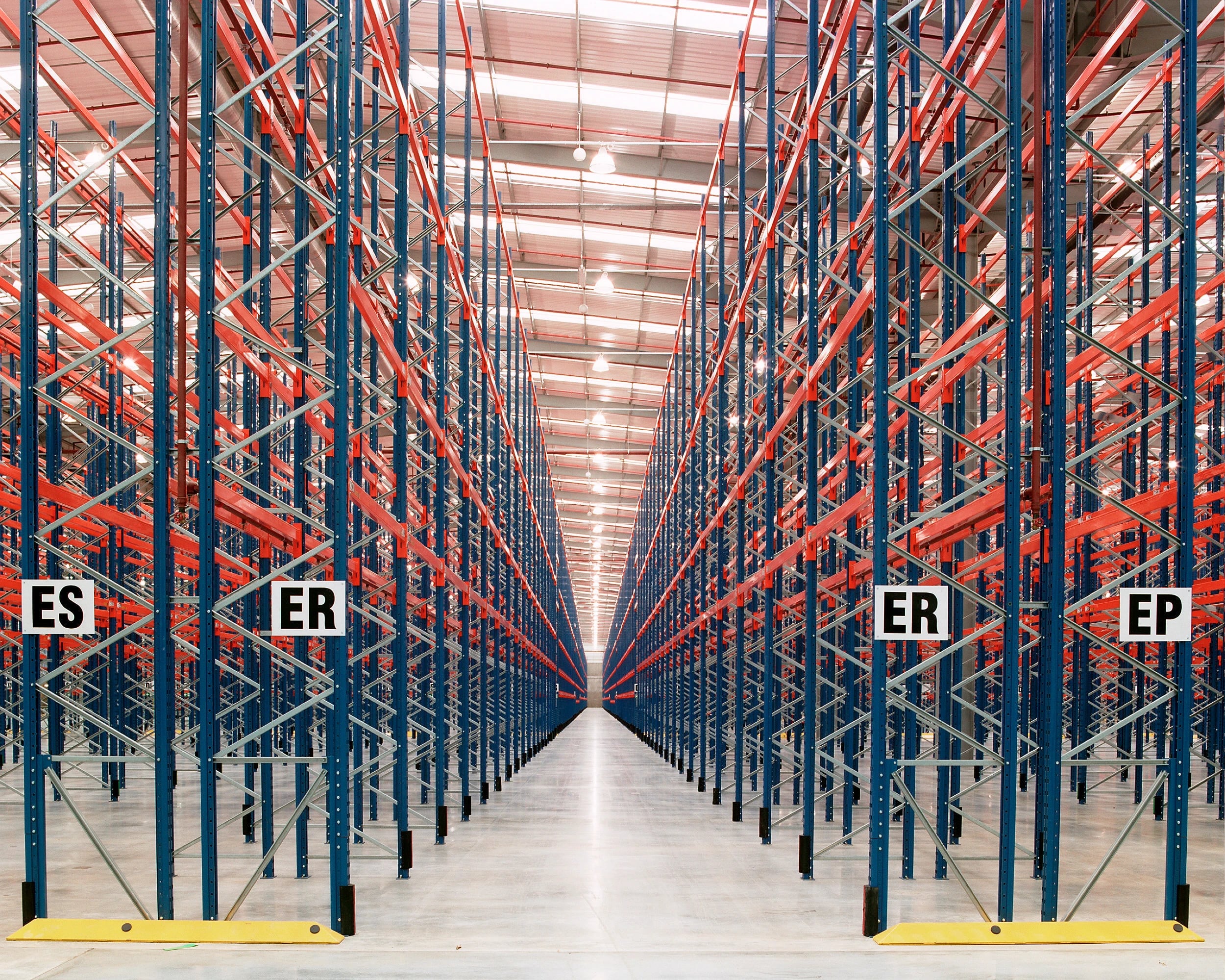
Warehouse racking rarely stays in one layout for the lifetime of a lease. Consolidations, new handling equipment and mezzanine additions all force relocation — and the default method has long been full dismantle, off-site storage and reinstall. That path is familiar, but it is rarely the fastest or cheapest when the structure is fundamentally sound.

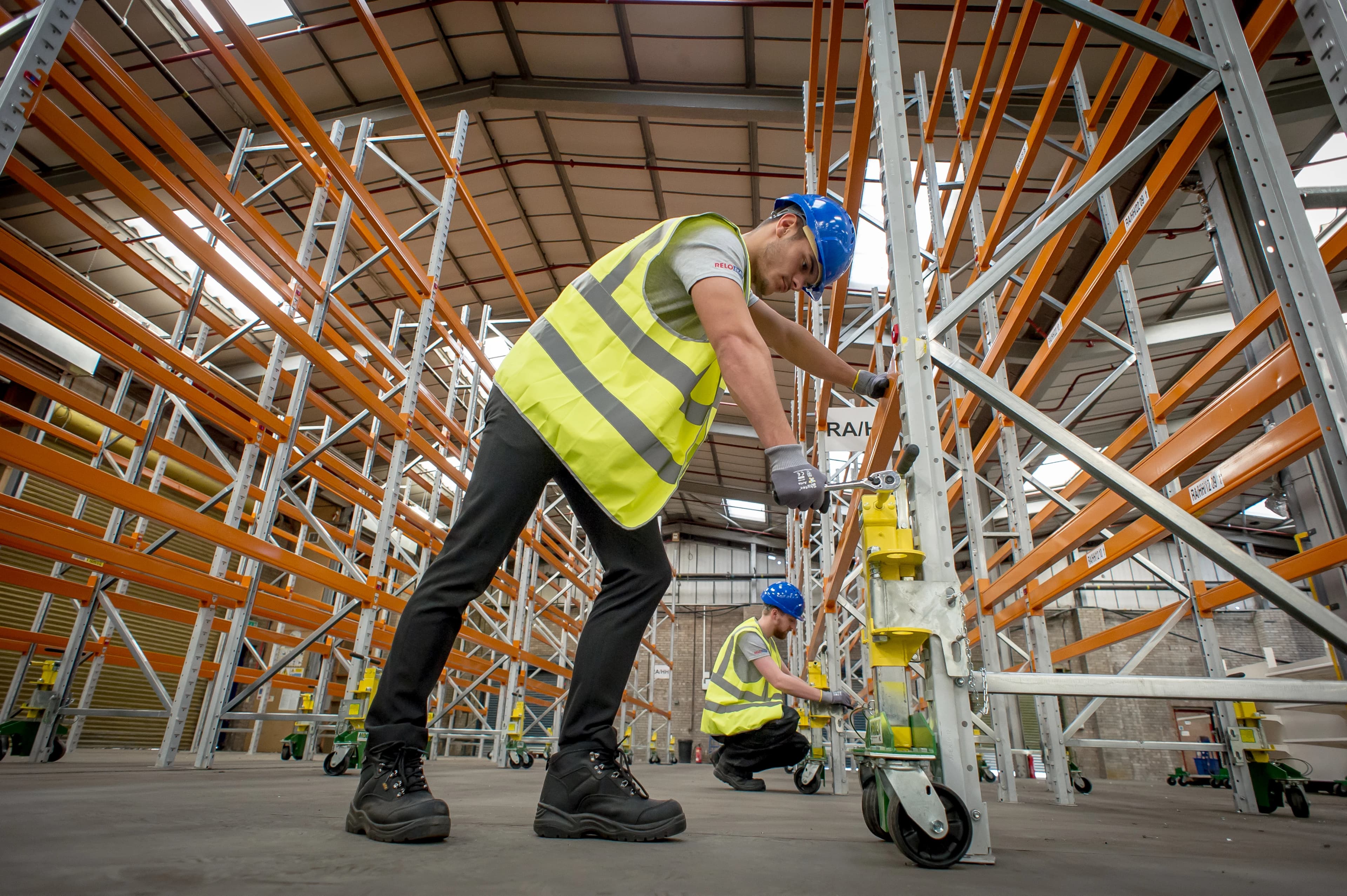
Reloskate moves complete racking structures intact: frames, beams and ancillaries are lifted and transferred as an engineered unit. The comparison below is based on projects PD Industrial has delivered for UK operators weighing both options.

Traditional strip-down relocation

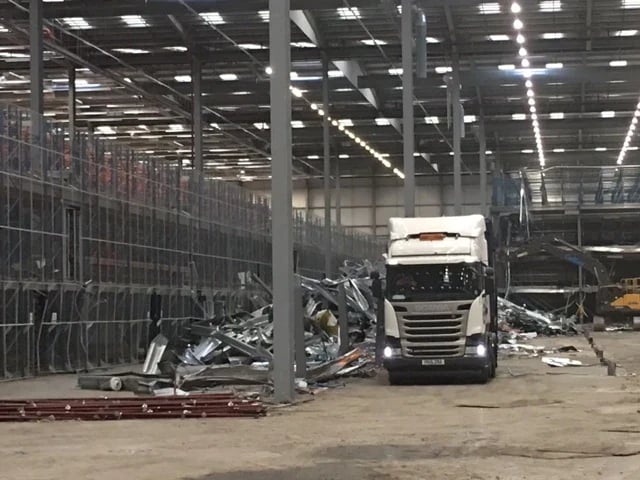
A conventional relocation starts with sequential dismantling, labelling and palletising components, then clearing the floor for other trades or layout changes. Operations in the affected area typically stop for the duration of dismantle and rebuild.

Costs stack up in labour, plant hire, double handling, lost pick hours and the risk of damage or missing components during storage. Lead times extend when surveys, approvals and phased handovers are added. For time-critical expansions, that downtime is often the deciding factor against a tender.

Reloskate intact relocation

Reloskate uses purpose-built skates and engineered lifting plans to move runs of racking without breaking them down. Sprinklers, lighting and services can often remain in place when the relocation is planned with PD Industrial's design team.

Downtime in the affected aisles is measured in hours or days rather than weeks, and fewer components pass through off-site storage — which reduces damage risk and shortens recommissioning. Where aisle widths or VNA configuration must change, runs can be repositioned as whole structures instead of rebuilt bay by bay.

Cost and programme comparison

Traditional relocation usually wins on paper only when the racking is heavily damaged, non-standard, or must be scrapped. Where steel is serviceable and layouts are being tweaked rather than replaced, Reloskate commonly saves 30–50% of site labour and cuts operational interruption materially.

Survey, CDM and load-notice compliance still apply to both methods. The difference is how much of the existing asset you retain and how long pick faces stay dark.

Not every project suits intact relocation — but many UK warehouses assume dismantle is the only option. Talk to PD Industrial about a Reloskate feasibility survey before you commit programme and budget to a full strip-down.

Related Articles

Request a callback