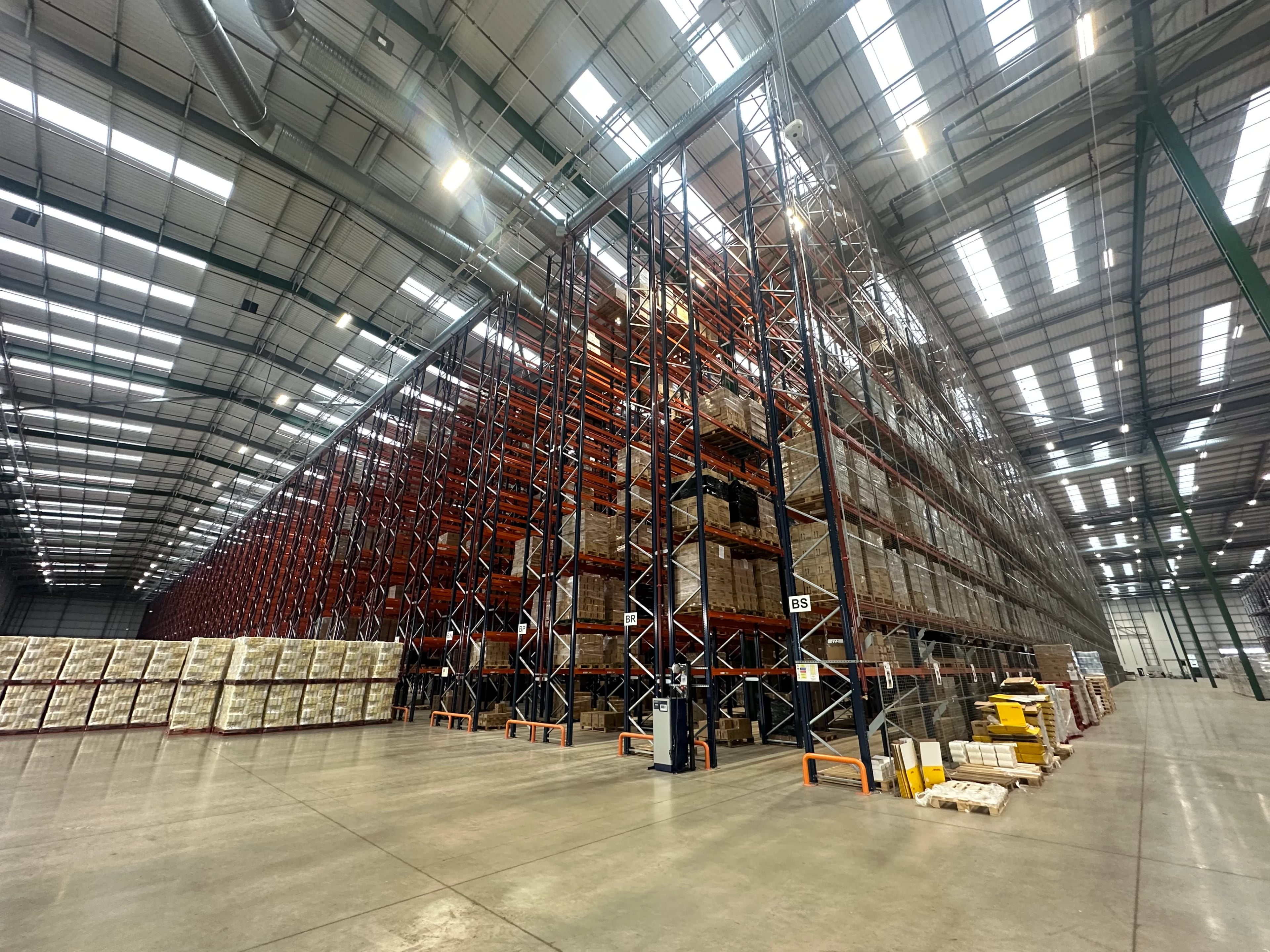
PD Industrial homepage
Warehouse Dilapidations: How to Leave Your Lease Without Leaving Money Behind

Warehouse Dilapidations: How to Leave Your Lease Without Leaving Money Behind

Published: 5 September 2025By PD Industrial Team

Introduction

The end of a warehouse lease is rarely straightforward. Alongside the practicalities of relocating your operation, there's the dilapidations process, where the landlord can demand the property to be returned in the condition set out in the lease. This can lead to disputes, unexpected costs and tight deadlines that can catch businesses off guard. For businesses that have installed pallet racking during their occupation, the dilapidations process almost always involves racking removal - and the reinstatement of the floor, walls, and structural elements to which it was fixed. Done properly and planned in advance, this is a manageable cost. Done badly, or left too late, it becomes a significant liability.

This guide explains the dilapidations process from the perspective of a warehouse operator with racking installed, and sets out how to protect your position throughout.

Understanding Your Reinstatement Obligations

Your reinstatement obligations are defined by the terms of your lease. Most commercial warehouse leases in the UK include a clause requiring the tenant to return the property in the same condition as it was at the start of the lease - typically 'good repair and condition', with reference to a schedule of condition drawn up at lease commencement.

For racking specifically, this typically means removal of all racking structures - uprights, beams, bracing, and baseplates.

It also means removal of all floor anchor bolts - or, more precisely, the filling and making good of all anchor holes in the concrete floor slab.

And it means making good any damage to the floor, walls, or structure caused during installation or removal.

The extent of these obligations depends on the specific terms of your lease, the schedule of condition, and any licence for alteration that was agreed when the racking was installed. If you don't have copies of these documents, find them now - before you serve or receive a dilapidations notice.

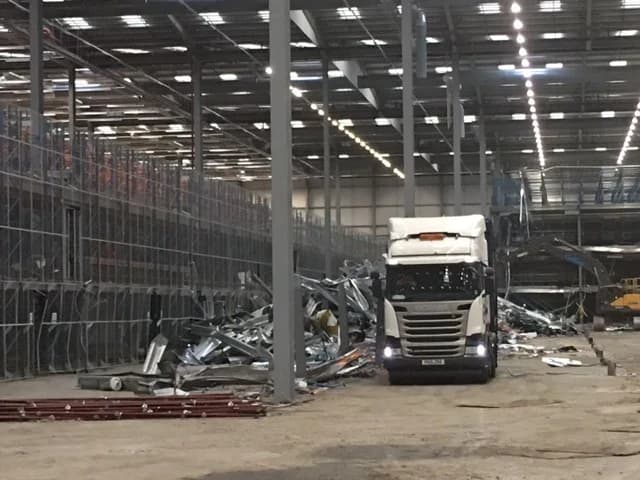
The Schedule of Dilapidations - What to Expect

At or after lease expiry, your landlord has the right to instruct a building surveyor to prepare a schedule of dilapidations - a formal document setting out every item that requires repair, reinstatement, or decoration, together with the landlord's assessment of the cost of remediation.

Dilapidations schedules for warehouses with significant racking installations can be substantial documents. Landlords' surveyors sometimes err on the side of generosity to their client - claiming costs for reinstatement that are higher than the actual market cost of the work, or claiming for items that are arguably not the tenant's responsibility.

This is why it is important to commission your own building surveyor to review the schedule and provide a counter-schedule - and to have your racking removal contractor provide evidence of what work was actually done and to what standard.

Pro tip: Photograph everything. Photograph the floor before removal, during anchor bolt extraction, and after making good. These photographs are your evidence if the landlord disputes the quality of reinstatement.

The Financial Stakes - Why This Matters

The cost of a poorly managed dilapidations process for a large warehouse with significant racking can easily run into tens of thousands of pounds. In extreme cases - where racking was installed without a licence for alteration, or where anchor holes have been filled to a poor standard - landlord claims can be six-figure.

Conversely, a well-managed dilapidations process - with proper documentation, professional removal, and good-quality reinstatement - typically results in a negotiated settlement at a fraction of the landlord's opening claim.

Planning Your Racking Removal Programme

Racking removal programmes for large warehouses require careful planning.

A large warehouse racking installation - tens of thousands of square metres of racking - can take weeks to remove properly. Factor in the time required for anchor hole reinstatement (which requires the floor to be adequately repaired and cured before handover), and the removal programme may need to begin several months before the lease expiry date.

Trying to strip a large warehouse in the final two weeks of a lease is how costly mistakes get made. Anchors get left in floors, holes get filled with the wrong material, and damage goes unrecorded.

If the warehouse is still operational during removal - as is often the case where removal is being carried out in parallel with a move to a new facility - the removal programme must be coordinated with the operational team to ensure continuous stock access. PD Industrial is experienced in phased removal programmes in live operational environments.

Before any racking is removed, PD Industrial assesses its condition and advises on what is worth retaining for use in the new facility, what has resale value, and what has reached end of life. Good-quality racking that has been well maintained can have significant residual value - either for reuse or resale - and this can offset part of the removal cost.

The Reinstatement Standard - Getting It Right

The quality of floor reinstatement after anchor bolt removal is one of the most common sources of dispute in warehouse dilapidations. Landlords frequently claim that anchor holes have been filled to an inadequate standard, resulting in claims for professional floor repair.

PD Industrial uses appropriate repair mortars and techniques for anchor hole reinstatement, and can provide photographic evidence and a written record of the reinstatement work carried out on each hole. This documentation is invaluable when responding to a landlord's dilapidations schedule.

How PD Industrial Manages the Process

PD Industrial provides a complete racking dilapidations and removal service.

Pre-removal survey and asset schedule - every component recorded before removal begins.

Lease documentation review - assessing your reinstatement obligations before work starts.

Phased removal programme - coordinated with your operational team if the site is live.

Professional anchor reinstatement - with photographic evidence for every fixing.

Post-removal condition report - your evidence for the dilapidations negotiation.

Asset assessment and resale advice - maximising the value of removed racking.

Warehouse dilapidations are manageable if they are planned in advance, properly documented, and carried out by a professional team. The businesses that come unstuck are those that leave it too late, fail to keep records, or use a removal contractor who doesn't understand the dilapidations context of the work. Engage PD Industrial early - ideally 6–12 months before your planned lease expiry date - and we will ensure your exit from the property is clean, documented, and defensible. Contact our team to discuss your dilapidations project.

Related Articles

Request a callback